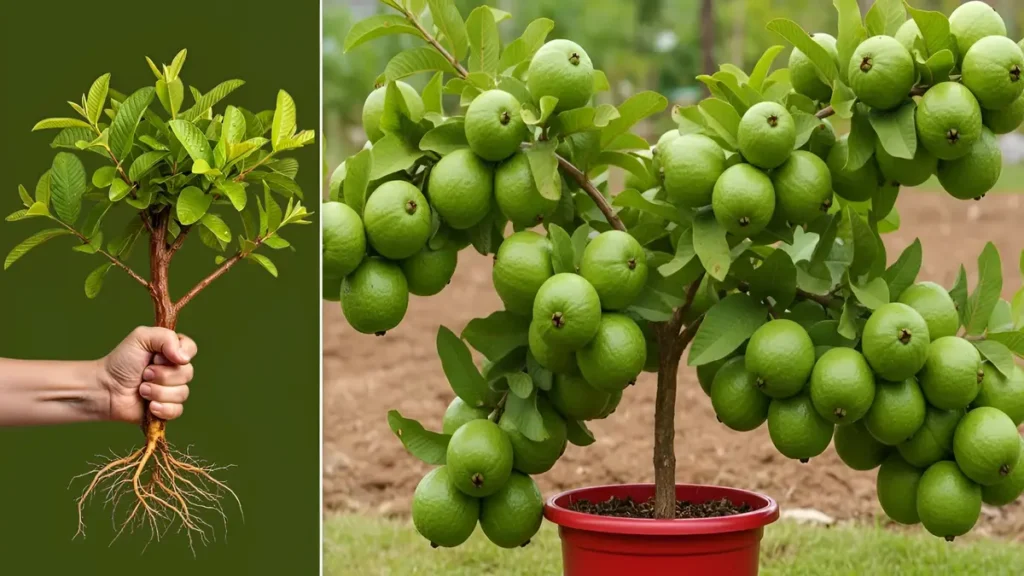
Guava Growing Mastery 2026: The secret to a thriving guava tree isn’t just luck—it’s smart care and consistent attention. Many gardeners see small fruits or weak trees because they overlook critical steps like sunlight, soil quality, and pruning. Mastering guava cultivation in 2026 means combining tried-and-true techniques with modern gardening insights. By focusing on the right spot, nutrients, and growth strategies, you can enjoy larger fruits, robust trees, and a backyard that practically produces its own tropical bounty.
Sunlight Sparks Sweetness
Guava trees demand sunlight to thrive. Position your tree where it receives at least six hours of direct sunlight daily. Adequate light encourages healthy flowering and sweeter fruits while also reducing the risk of fungal infections. If you’re planting multiple trees, space them to prevent shade overlap. Remember, sun exposure is not just about fruit size—it also improves flavor, making your guavas irresistible for snacking, cooking, or juicing straight from the tree.
Soil Shapes Strong Roots
Healthy guava starts below ground. Well-drained, loamy soil with a pH between 5.5 and 7 provides the ideal environment for roots to expand. Avoid clay-heavy areas prone to waterlogging, as this can stunt growth or invite root rot. You can enrich soil with organic compost to improve fertility and structure. Proper soil preparation gives your guava tree a stable foundation, ensuring it develops strong roots that support bigger, juicier fruits year after year.
Water Wisely For Growth
Guava trees need consistent moisture, but overwatering can be fatal. Young trees benefit from regular watering to establish roots, while mature trees require moderate irrigation. Deep watering once or twice a week is preferable to shallow daily watering—it encourages roots to grow downward and strengthens the tree. Mulching around the base helps retain moisture, keeps weeds at bay, and keeps the soil temperature steady. Balanced watering is the key to healthier foliage and plumper fruits.
Fertilizers Boost Fruit Size
Guava trees are nutrient-hungry, and proper fertilization dramatically improves fruit quality. Use a balanced NPK (nitrogen, phosphorus, potassium) fertilizer to support leaf growth, flowering, and fruit development. Organic options like compost, cow manure, or bone meal enhance soil structure and long-term fertility. Apply fertilizer according to tree age—young trees need less, mature trees more. Regular feeding ensures vibrant green leaves, stronger branches, and fruits that are consistently larger and more flavorful.
Pruning Powers Productivity
Strategic pruning keeps your guava tree healthy and productive. Remove dead or diseased branches early to prevent pest infestations and fungal growth. Thin out crowded branches to improve air circulation and sunlight penetration. Proper pruning stimulates new growth and encourages more flowering sites, which translates to higher yields. Avoid excessive trimming, as this can stress the tree. A well-pruned guava tree produces not just more fruits, but also fruits with better shape and color.
Pests Don’t Stand A Chance
Guava trees are prone to pests like fruit flies, aphids, and scale insects. Regular inspection allows early detection before infestations spread. Homemade remedies, such as neem oil sprays, can keep pests under control without harsh chemicals. Keep the area around the tree clean by removing fallen leaves and overripe fruits that attract insects. Healthy trees are naturally more resistant to pests, so strong roots, good nutrition, and proper pruning are your first line of defense.
Flowering Timing Matters
The timing of flowering affects fruit size and harvest success. Guava trees flower in response to temperature, water, and nutrition. Avoid overwatering during flowering, as excess moisture can cause bud drop. Applying a bloom booster fertilizer rich in phosphorus encourages more flowers and sets the stage for bigger fruits. Pruning right before flowering also stimulates new branches, which can lead to more abundant blooms. Mastering flowering timing ensures a consistent, high-quality guava harvest each year.
Harvest At Peak Ripeness
Knowing when to harvest is critical for maximum flavor. Guavas typically turn a lighter green or yellow when ripe, and the aroma becomes noticeable. Harvesting too early results in sour, small fruits, while waiting too long may attract pests. Use gentle twisting or clipping methods to avoid damaging the fruit or tree. Frequent harvesting encourages more flowers and fruits, extending the production season. Picking at the right time ensures sweet, juicy guavas that taste like they came straight from a tropical orchard.
Backyard Setup Boosts Results
The environment around your guava tree plays a huge role in its success. Plant companion herbs like basil or marigold to repel insects naturally. Provide windbreaks if your area is prone to strong gusts, which can damage branches and flowers. Raised beds or containers can help control soil quality and drainage. By optimizing the backyard setup, you create a protective microclimate that encourages healthier trees, larger fruits, and a more enjoyable gardening experience overall.
Consistent Care Wins Seasons
Growing big, healthy guavas is a year-round commitment. Monitor soil moisture, fertilize seasonally, prune regularly, and inspect for pests consistently. Keeping a gardening journal can help track flowering cycles, harvest dates, and fertilization schedules. This data allows you to fine-tune care strategies for even better results next season. Consistency is the secret ingredient—small daily and weekly actions compound over time, transforming ordinary backyard trees into fruit-bearing powerhouses.
Growing guava trees in 2026 doesn’t have to be complicated. With the right sunlight, soil, watering, fertilization, and care strategies, your backyard can produce fruits that rival commercial orchards. Bigger fruits, healthier trees, and vibrant foliage are all achievable with deliberate planning and consistent effort. Follow this blueprint, and each season will reward you with a harvest that’s both satisfying and delicious—a true testament to your gardening mastery.