Jicama in Pots Made Easy 2026: Jicama is one of the most refreshing vegetables you can grow at home, with its crisp texture and sweet, nutty flavor. While it’s commonly grown in tropical gardens, you can enjoy fresh jicama even in small spaces by growing it in pots. With a few smart strategies, proper soil, and a little patience, you can harvest big, juicy roots right from your balcony, patio, or backyard containers. Here’s how to maximize your jicama yield this year.
Choose a Pot That Lets Roots Breathe
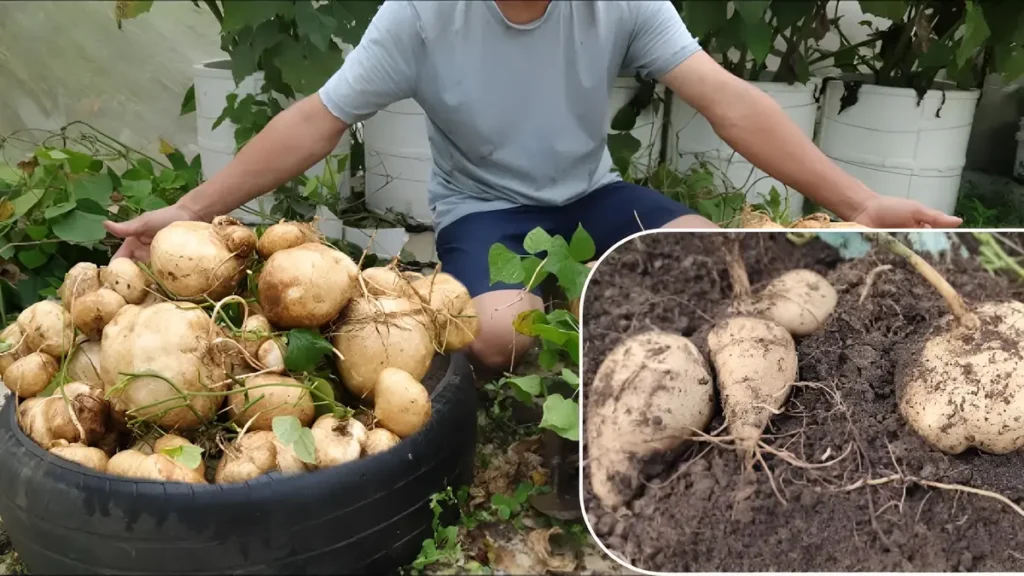
Jicama tubers need room to grow deep and wide, so your choice of container is crucial. A pot at least 18–24 inches deep and equally wide ensures the roots have enough space to swell properly. Opt for a heavy-duty plastic or clay pot with multiple drainage holes. Crowding more than one plant per container can stunt growth, so give each jicama plant its own spacious home to encourage larger, healthier tubers.
Feed Roots With Rich Soil
The secret to giant jicama is nutrient-rich, loose soil. Mix garden soil, compost, and a little sand or coco peat for the perfect texture. This combination drains well but still retains moisture, letting roots expand without restriction. Adding organic compost or well-rotted manure provides essential nutrients. Even though jicama can fix some nitrogen naturally, enriched soil will help your tubers grow plump and flavorful. Avoid compacted or clay-heavy soil as it can limit root size.
Sunlight Sparks Vigorous Growth
Jicama loves warmth and sunlight. Place your pots where they get at least 6–8 hours of direct sunlight daily. Insufficient sunlight slows growth and produces smaller, less sweet roots. If you’re growing indoors, use a strong grow light to simulate sunlight, keeping plants 12–18 inches away from the fixture. Proper light encourages leafy growth and strong stems, which directly supports the development of robust underground tubers. Sunlight is a small step that delivers a big reward.
Water Smartly for Big Tubers
Jicama thrives in consistent moisture, but overwatering can be harmful. Keep the soil evenly damp, not soggy, by watering deeply once or twice a week depending on weather. Check the soil before watering; the top inch should feel slightly dry before adding more water. Too much water can cause root rot, while too little leads to tough, fibrous tubers. Using mulch on the soil surface also helps retain moisture and regulates temperature for steady growth.
Support Vines for Healthier Plants
Jicama vines can grow long and sprawling, sometimes reaching 10–15 feet. Providing a trellis or vertical support keeps vines off the ground, prevents pests, and allows more energy to flow to the roots. A simple bamboo trellis or garden netting works well. Pruning excessive leaves is optional but can focus energy on tuber development. Healthy, supported vines are crucial for producing plump, delicious jicama that will be ready to harvest in 5–7 months.
Harvest at the Right Time
Timing is everything with jicama. The tubers are typically ready when vines begin to yellow and leaves start to thin, usually after 5–7 months of growth. Carefully dig around the base of the plant, avoiding damage to the roots. Jicama can grow very large, but leaving them too long can make them woody. Harvesting at the right stage ensures sweet, crisp, and tender roots ready for salads, snacks, or roasting.
Pest Prevention Without Chemicals
Jicama is relatively pest-resistant, but small insects or fungal issues can appear in pots. Avoid overcrowding and ensure proper air circulation around the plant. Using neem oil or organic sprays can keep pests at bay. Regularly inspect leaves and vines for signs of trouble. Healthy plants grow stronger tubers, so pest prevention is just as important as soil, sunlight, and water. With attentive care, your potted jicama will flourish beautifully.
Rotate Pots for Maximum Yield
If you’re growing multiple pots, rotating them periodically helps each plant receive equal sunlight. This avoids uneven growth and encourages uniform tuber development. Adjusting pot positions based on daily sun patterns can make a noticeable difference in yield. Combining rotation with trellising, proper watering, and rich soil creates an ideal environment for your jicama to thrive, producing roots that are bigger and more flavorful than typical homegrown attempts.
Final Verdict
Growing jicama in pots is easier than many gardeners think, and the rewards are delicious. By choosing deep pots, using nutrient-rich soil, providing ample sunlight, watering correctly, and supporting vines, you can produce large, juicy roots even in limited spaces. Small adjustments like pest control, timely harvesting, and pot rotation maximize your harvest. With these five powerful hacks, you’ll enjoy homegrown jicama that’s crisp, sweet, and satisfying straight from your container garden.