Organic Potato Growing 2026: Growing potatoes organically can be one of the most satisfying gardening experiences. With a little planning and the right techniques, you can produce tubers that are not only healthy but also packed with flavor. In 2026, the deep mulching method has emerged as a game-changer for organic gardeners, promising bigger yields, stronger plants, and less maintenance. By layering your soil with organic matter, you create a thriving environment for potatoes to flourish while reducing stress on the plants naturally.
Transform Soil with Deep Mulching
Deep mulching is more than just covering soil—it’s about transforming it. By layering straw, compost, or shredded leaves at least 4–6 inches thick, your soil gains insulation, moisture retention, and natural nutrients. Over time, these layers break down and enrich the soil, creating an ideal habitat for potatoes. This method encourages beneficial microbes and earthworms to thrive, which naturally aerates the soil and boosts its fertility. Healthy soil leads to strong roots and bigger, more consistent tubers.
Keep Moisture Perfectly Balanced
Potatoes need consistent moisture to grow large and healthy. Deep mulch works like a sponge, absorbing rainfall and releasing it slowly into the soil. This reduces the risk of overwatering or underwatering, which can stress plants and shrink yields. Maintaining this balance also prevents soil from cracking, a common issue that exposes tubers to sunlight and causes greening. With moisture managed naturally, your potato plants can dedicate energy to producing quality tubers instead of battling dry or flooded soil.
Stop Weeds Without Chemicals
Weeds steal nutrients, water, and sunlight from potato plants, reducing your harvest. Deep mulching creates a dense barrier that blocks sunlight, stopping weeds from growing. Unlike chemical herbicides, mulch is completely safe for organic gardens and encourages a healthier ecosystem. Less time weeding means more time focusing on care and observation, so you can catch early pest problems or spot nutrient deficiencies before they affect growth. Cleaner soil and fewer weeds directly translate to higher yields.
Boost Nutrient Absorption Naturally
Organic mulch slowly decomposes, releasing essential nutrients directly to potato roots. Nitrogen, phosphorus, potassium, and trace minerals become available in a steady flow, supporting continuous growth throughout the season. Deep mulching also attracts earthworms and beneficial insects, which improve nutrient cycling and soil structure. By feeding plants naturally, you reduce the need for chemical fertilizers while keeping your harvest entirely organic. Strong nutrition produces potatoes that are firm, flavorful, and perfectly grown.
Protect Plants from Temperature Stress
Potatoes are sensitive to temperature extremes. Too much heat can stop tuber growth, while frost can damage leaves and reduce yield. Deep mulch acts as a natural insulator, regulating soil temperature and protecting roots from sudden swings. This layer keeps soil cooler during hot days and warmer on cold nights, reducing stress on your plants. With temperature fluctuations minimized, potato crops experience steadier growth, stronger stems, and healthier leaves, which all contribute to larger and more uniform tubers.
Encourage Bigger Tubers Easily
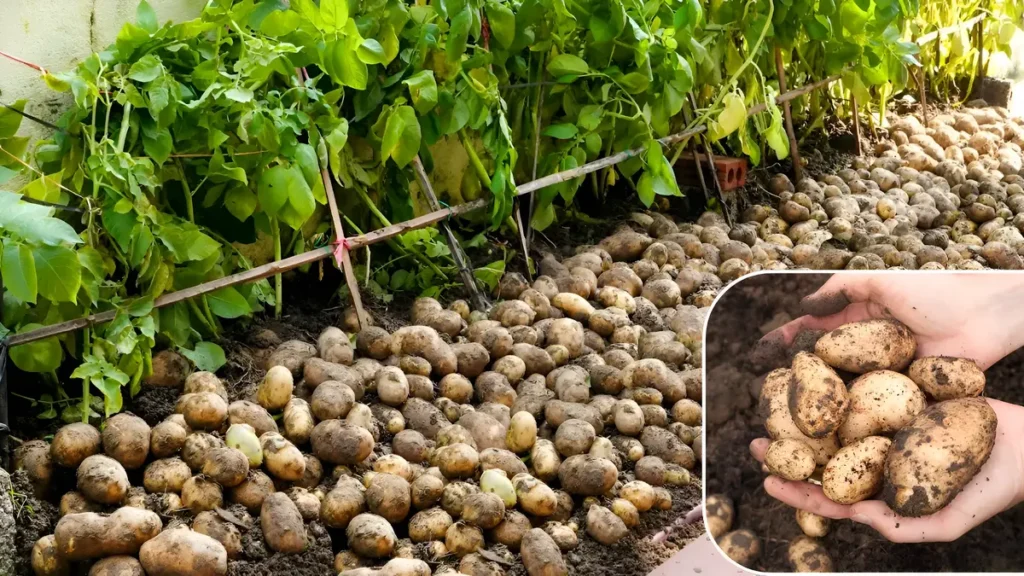
One of the most exciting results of deep mulching is tuber enlargement. The soft, nutrient-rich soil created by decomposing mulch allows tubers to expand without resistance. Mulch prevents soil compaction, so potatoes don’t get misshapen or stunted. Additionally, consistent moisture and nutrient supply encourage plants to focus energy on producing bigger potatoes. Gardeners often report a noticeable difference in tuber size and overall harvest compared to conventional planting methods.
Fight Pests and Diseases Organically
Mulch can help reduce common potato pests and soil-borne diseases. By maintaining healthy soil and proper moisture, plants become stronger and more resilient. Some mulches, such as straw, also create a physical barrier that deters certain insects. Beneficial organisms in the mulch, including predatory insects and fungi, naturally suppress harmful pests. This reduces the need for chemical pesticides while keeping your potatoes entirely organic, safe, and chemical-free.
Simplify Harvesting and Maintenance
Deep mulching makes harvesting easier and cleaner. Tubers grow under soft, loose layers, which can be gently lifted without damaging the potatoes. Less soil compaction means fewer broken or bruised tubers. Maintenance throughout the season is also simpler, as mulch reduces the need for constant watering, weeding, or soil amending. For busy gardeners, this method saves time and effort while maximizing results, making potato growing more enjoyable and efficient.
Plan for Continuous Growth
Using deep mulch, you can also practice succession planting effectively. The nutrient-rich, protected soil supports multiple planting cycles per season in many climates. Mulch keeps soil fertile and stable, allowing new seed potatoes to thrive immediately after the previous harvest. With careful planning, gardeners can enjoy extended harvest periods and consistent supply without exhausting the soil, making deep mulching a highly sustainable and productive approach for long-term potato cultivation.
Final Verdict
The deep mulching method is a revolutionary approach for organic potato growing in 2026. By enhancing soil health, balancing moisture, suppressing weeds, and boosting tuber growth naturally, gardeners can achieve higher yields with less stress and maintenance. The technique aligns perfectly with sustainable and eco-friendly practices while producing potatoes that are healthier, larger, and more flavorful. For anyone serious about organic gardening, deep mulching is not just a technique—it’s a strategy for success.