Grow Jicama at Home in 2026: Jicama is a crisp, sweet root vegetable that adds a refreshing crunch to salads, snacks, and stir-fries. Growing it at home is not only satisfying but also ensures you have pesticide-free, flavorful roots straight from your garden. Whether you have a small balcony or a raised bed in your backyard, jicama can thrive with the right care. In 2026, with new gardening trends and smart techniques, cultivating this tropical gem is easier than ever.
Select Deep Containers for Healthy Roots
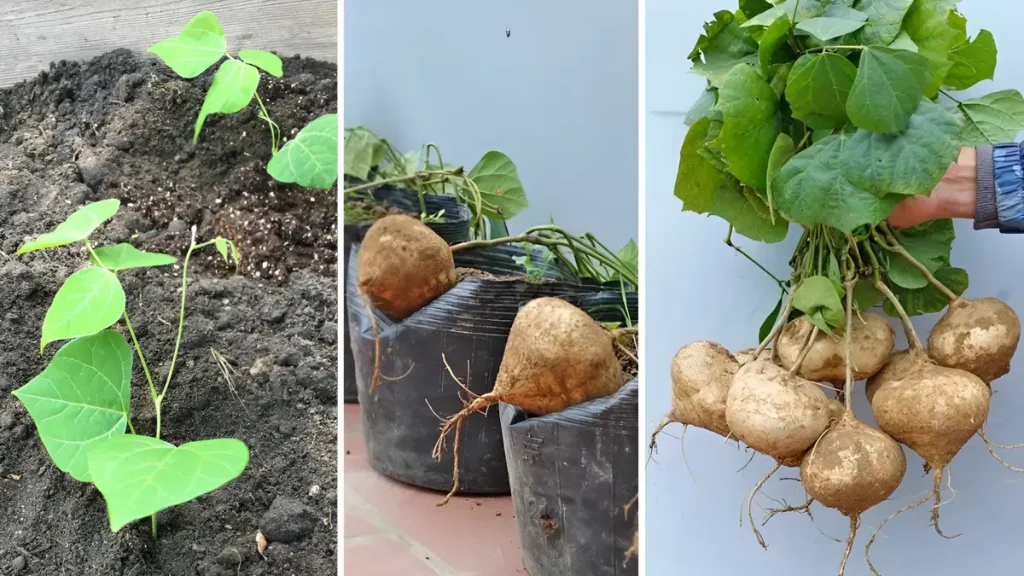
Jicama needs room for its roots to grow, so choosing the right container is crucial. Pick a pot at least 12–15 inches deep and wide enough to allow tubers to expand naturally. For raised beds, ensure the soil depth is at least a foot and the bed is well-draining. Fill containers with a mix of loam, compost, and sand to balance moisture retention and drainage. Proper space prevents stunted growth and produces plump, tasty roots ready for harvest.
Maximize Sunlight for Sweet Tubers
Sunlight is key to growing flavorful jicama. Position containers or raised beds in spots that receive at least six hours of direct sunlight daily. For balcony gardeners, placing pots near the south-facing side ensures maximum sun exposure. Adequate sunlight not only energizes the plant for vigorous growth but also enhances the sweetness and crunch of the roots. Inconsistent light can slow growth and produce smaller, less flavorful jicama.
Keep Soil Moist but Not Waterlogged
Consistent watering is essential for tuber formation. Jicama roots develop best in soil that remains evenly moist, so check containers daily, especially in hot weather. Water deeply to encourage long, healthy roots, but avoid overwatering, which can lead to rot. Applying a 1–2 inch layer of organic mulch helps retain moisture, reduces temperature fluctuations, and keeps weeds away. Balanced hydration ensures your jicama stays juicy and firm until harvest.
Feed Plants with Balanced Nutrients
Fertilization plays a vital role in growing large, sweet jicama tubers. Early in the growing cycle, provide nitrogen-rich fertilizer to encourage leafy growth. Once the roots start forming, switch to a potassium-heavy or balanced fertilizer to promote healthy tuber development. For containers, slow-release organic fertilizers are ideal, while raised beds benefit from compost or well-aged manure. Regular, careful feeding ensures robust vines and plump roots perfect for snacking or cooking.
Train Vines to Optimize Space
Jicama vines can extend up to 10 feet, so proper training is essential, especially in compact gardens. Use trellises, stakes, or cages to guide the vines upward, preventing them from sprawling and taking over your growing area. This technique improves air circulation, reduces pest risks, and makes harvesting easier. Even in containers, vertical growth encourages stronger roots while saving space. Smart vine management maximizes yield and keeps your garden neat and productive.
Protect Plants from Pests and Diseases
While jicama is relatively hardy, pests like aphids, spider mites, and root-knot nematodes can still pose a threat. Regularly inspect plants for signs of damage, and consider using neem oil or organic insecticidal soap when needed. Ensure raised beds and containers have good drainage to prevent fungal infections. Healthy soil, clean containers, and proper spacing reduce disease risk, keeping your jicama safe and ready for harvest throughout the season.
Monitor Growth for Perfect Harvest
Patience is key when growing jicama. Tubers typically mature 5–9 months after planting, depending on conditions. Look for yellowing leaves and sturdy roots as signs that harvest time is near. Avoid pulling too early, as immature roots may be fibrous and less flavorful. Harvest carefully with a trowel, gently loosening the soil around the roots. Regular monitoring ensures you pick the most delicious, crunchy jicama straight from your garden to your plate.
Experiment with Soil Mix for Better Flavor
Experimenting with different soil mixes can boost jicama’s flavor and texture. Adding organic matter like worm castings, coconut coir, or aged compost enriches nutrients and improves moisture retention. Slightly sandy soil helps prevent root rot while keeping roots firm. Testing small changes in your container or raised bed soil can help you discover the perfect mix that produces consistently sweet, juicy, and crisp jicama for your family and friends.
Rotate Crops to Maintain Soil Health
To keep your soil fertile and avoid nutrient depletion, practice crop rotation in raised beds. After harvesting jicama, plant legumes or leafy greens in the same spot for the next season. This replenishes nitrogen and keeps the soil structure healthy. Containers can be refreshed with new compost and organic amendments between crops. Maintaining soil health ensures your jicama garden stays productive year after year, providing a steady supply of this unique and crunchy vegetable.
Enjoy Homegrown Jicama Year-Round
With proper care, containers and raised beds allow you to grow jicama almost year-round in warmer climates or under greenhouse setups. Freshly harvested jicama can be stored for several weeks if kept cool and dry. Incorporating it into your meals provides a healthy, fiber-rich snack packed with vitamins and a refreshing crunch. Homegrown jicama is not only rewarding to grow but also adds a tropical touch to everyday salads and dishes, making your garden truly versatile.
Conclusion
Growing jicama at home in 2026 is easier and more rewarding than ever with containers or raised beds. By choosing deep planting spaces, providing sunlight, maintaining consistent moisture, fertilizing smartly, and managing vines, you can enjoy a steady supply of sweet, crunchy roots. With proper pest protection, crop rotation, and careful monitoring, homegrown jicama offers freshness, flavor, and fun for every gardener. Start today and experience the satisfaction of harvesting your own tropical delight.