Areca Nut Farming in 2026: Areca nut cultivation is gaining tremendous attention in 2026 due to rising demand in both domestic and export markets. Farmers now have the opportunity to turn small plots into profitable ventures by adopting modern techniques and smart farming practices. Success depends on careful planning, from selecting the right variety to harvesting at peak quality. This guide walks you through every stage, offering practical tips for higher yields and better profits in a straightforward, farmer-friendly way.
Select the Perfect Areca Variety
Choosing the right variety lays the foundation for high yield and quality. Popular options like Mangalore, Dharwad, and Kaala adapt well to diverse climates and resist common diseases. Early-maturing varieties help generate income sooner, while traditional ones give better long-term returns. Consider your soil type, local weather, and pest resistance before planting. Picking the perfect variety in 2026 ensures strong palms, consistent nut production, and greater market demand for your harvest.
Boost Soil Health Naturally
Healthy soil is the key to productive palms. Areca nut grows best in loamy, well-drained soil rich in organic matter. Test soil pH, aiming for 5.5 to 6.5, and add compost or farmyard manure for extra nutrients. Proper plowing and pit preparation improve root growth and nutrient absorption. In 2026, investing time in soil health reduces disease risks, supports vigorous growth, and lays the groundwork for superior nut quality, giving farmers an edge in competitive markets.
Planting for Maximum Growth
Correct planting techniques determine the future of your orchard. Maintain 2.5-meter spacing between plants for adequate sunlight and airflow. Dig deep pits around 1 meter, filling them with a mix of topsoil and organic manure. Plant seedlings upright to protect roots and provide stable growth. Timing is critical—plant during early monsoon for natural moisture support. Proper planting in 2026 ensures healthy palms, higher yields, and easier long-term maintenance.
Irrigate Smartly and Efficiently
Water management is vital for palm growth. Young palms require daily watering, while mature trees need irrigation every two to three days. Drip irrigation saves water, ensures even distribution, and keeps roots healthy. Avoid waterlogging, which can lead to root rot and poor growth. Smart irrigation practices in 2026 improve nut quality, increase productivity, and reduce labor costs, helping farmers save resources while maintaining consistently healthy palms.
Feed Your Palms Right
Nutrient management directly affects growth and nut quality. Use a balanced mix of nitrogen, phosphorus, and potassium for healthy leaves and strong nuts. Micronutrients like magnesium and boron boost fruit size and quality. Combine chemical fertilizers with organic manure to maintain soil health. Regular leaf analysis helps optimize nutrition. Proper feeding in 2026 results in vigorous palms, fewer diseases, and better yields, giving farmers higher profits per acre.
Protect Trees from Pests
Pest management safeguards your investment. Areca nuts are prone to red palm weevil, scale insects, and mites. Early detection is key—regularly inspect trees and use neem-based sprays or recommended pesticides as needed. Maintaining cleanliness and proper spacing also reduces pest risks. Effective pest control in 2026 ensures healthy palms, consistent nut quality, and less financial loss, keeping your farm productive year after year.
Prune to Promote Growth
Pruning is essential for sunlight, airflow, and tree health. Remove dead or overcrowded fronds to reduce fungal infections. Shape young palms for strong central stems and easier harvesting. Regular pruning increases nut exposure to sunlight, improving size and color. Proper pruning in 2026 enhances overall yield, makes farm management easier, and ensures your palms stay healthy and productive over the years.
Harvest Nuts at the Right Time
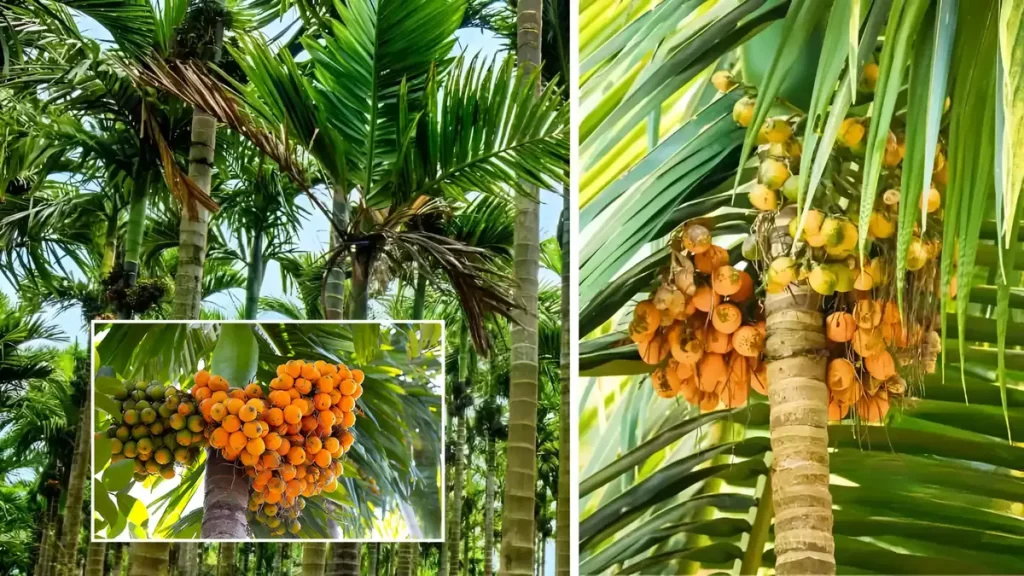
Timing your harvest is crucial to maximize profits. Areca nuts mature typically 6–7 years after planting. Pick nuts when greenish-yellow, firm, and crack-free for optimal market value. Avoid overripe nuts that fetch lower prices. Handpicking is safest to prevent damage. Harvesting at the right stage in 2026 ensures premium-quality nuts, higher prices, and a solid reputation among buyers in domestic and export markets.
Tap into Profitable Markets
Smart marketing drives profitability. While domestic demand is strong, export markets in Southeast Asia and the Middle East offer higher returns. Keep track of market trends, quality requirements, and pricing. Sell through cooperatives, direct buyers, or online platforms to maximize margins. In 2026, leveraging multiple marketing channels helps farmers achieve higher profits, reduce dependency on local traders, and secure a reliable income stream from areca nut cultivation.
Manage Costs for Better Returns
Controlling costs is essential for profitability. Monitor expenses on fertilizers, labor, irrigation, and pest control. Use mechanized tools where possible to save time and money. Intercropping with compatible crops can improve soil fertility and provide extra income. Careful financial planning in 2026 allows farmers to increase ROI, manage risks, and make areca nut cultivation a sustainable and lucrative business venture.
Sustainable Practices Ensure Longevity
Sustainability is key for long-term success. Avoid overuse of chemicals and focus on organic farming methods where feasible. Use rainwater harvesting and efficient irrigation to conserve resources. Maintain biodiversity to prevent soil depletion and pest buildup. Sustainable farming in 2026 not only protects the environment but also ensures steady yields, higher-quality nuts, and lasting profitability for your areca nut plantation.
Conclusion
Areca nut farming in 2026 offers significant opportunities for farmers ready to adopt modern, efficient practices. Choosing the right variety, maintaining healthy soil, managing water and nutrients, controlling pests, and tapping into profitable markets are all crucial steps. By combining careful planning with sustainable farming methods, growers can enjoy higher yields, premium-quality nuts, and maximum profits. With dedication and smart management, areca nut cultivation can be a highly rewarding and long-term investment for farmers.