Eggplant Growing 2026: Growing eggplants in containers has become a favorite for home gardeners. Whether you have a balcony, terrace, or small backyard, container gardening allows you to enjoy fresh, juicy brinjals without the hassle of a full garden. With the right care, seeds can turn into healthy, fruit-bearing plants that produce bountiful harvests. This guide covers everything—from selecting seeds to nurturing plants—so even beginners can grow heavy-fruiting brinjals at home.
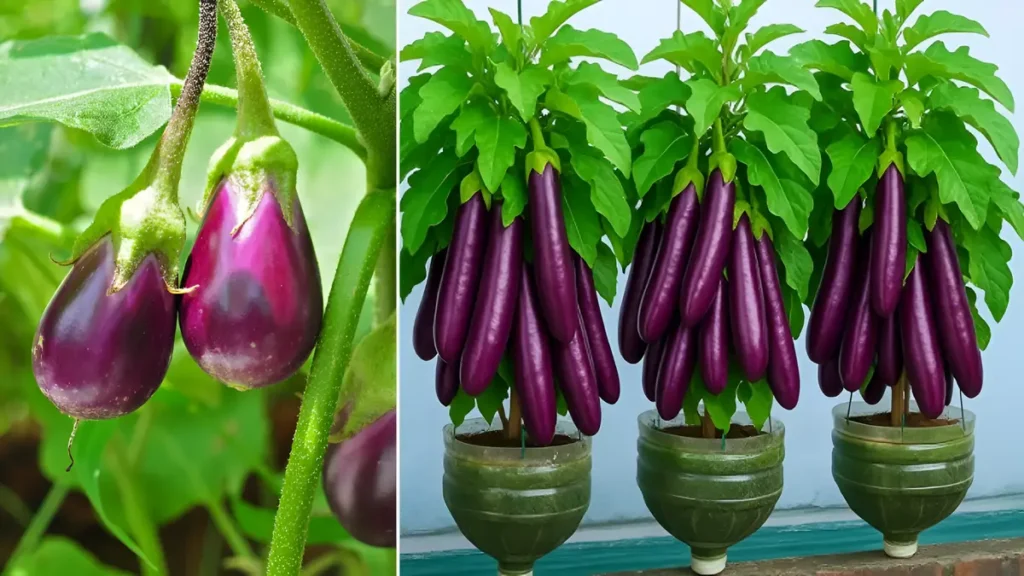
Pick the Right Container for Success
Choosing the right container is crucial for eggplant growth. Opt for pots at least 12–16 inches deep with proper drainage holes. Bigger containers allow roots to spread freely, ensuring stronger plants and bigger fruits. Materials like clay, plastic, or fabric pots work well, but ensure they retain moisture while allowing excess water to drain. A stable container prevents tipping, especially as brinjal plants grow heavy with fruit, making your container garden more efficient and productive.
Choose Quality Seeds Carefully
The secret to a heavy harvest starts with quality seeds. Pick varieties suitable for container growth, usually compact plants with prolific fruiting. Popular options include long purple, oval, or small round eggplants. Fresh seeds germinate faster and produce stronger seedlings. Soaking seeds in warm water for a few hours before sowing improves sprouting rates. Strong seeds lay the foundation for healthy, vigorous plants capable of producing abundant, juicy brinjals.
Prepare Nutrient-Rich Soil
Eggplants need fertile, well-draining soil to thrive. Mix garden soil with compost, vermicompost, or coconut coir to enrich nutrients. Adding sand or perlite improves drainage, preventing waterlogging and root rot. The soil should be slightly acidic to neutral (pH 5.5–7) for optimal growth. Regularly replenishing the top layer with organic matter boosts productivity. Avoid heavy clay soils, as they trap moisture and hinder root development, which can stunt plant growth.
Start Seeds Indoors for Better Results
Starting seeds indoors gives eggplants a head start. Use seed trays or small pots filled with prepared soil, planting seeds half an inch deep. Keep the soil consistently moist and place trays in a warm, sunny spot. Seeds usually germinate within 7–14 days. Once seedlings develop 2–3 true leaves, they’re ready for transplanting. Indoor germination protects seedlings from pests and harsh weather, ensuring robust growth in containers.
Transplant Seedlings With Care
When seedlings reach 4–6 inches, transplant them into larger pots. Handle roots gently to avoid damage. Make a hole in the container and plant seedlings at the same depth they were growing in trays. Water immediately to reduce transplant shock and help plants settle. Proper spacing ensures good air circulation and healthy growth. Careful transplanting increases survival rates, promotes strong stems, and sets the stage for heavy fruit production.
Sunlight and Warmth Boost Growth
Eggplants need plenty of sunlight to grow and produce fruit. Place containers where plants receive 6–8 hours of direct sunlight daily. If sunlight is limited, supplement with grow lights. Maintaining warm temperatures between 70–85°F encourages flowering and fruit set. Cold drafts or temperatures below 60°F can stunt growth and delay harvesting. Adequate sunlight and warmth ensure vigorous plants and heavy, flavorful brinjals.
Watering and Fertilizer Tips
Consistent watering is key for container-grown eggplants. Keep the soil evenly moist but avoid waterlogging. Drip irrigation or self-watering pots help maintain moisture levels. Feed plants with balanced organic fertilizer or compost every 2–3 weeks. A higher potassium fertilizer during flowering promotes fruit development. Proper watering and feeding improve plant health, reduce stress, and maximize yields, ensuring each container produces multiple large, juicy brinjals.
Support Plants for Bigger Fruits
As brinjal plants grow, their branches can become heavy with fruit. Use stakes, trellises, or cages to support stems and prevent breakage. Tying plants loosely with soft twine avoids damaging stems. Proper support improves air circulation, reduces disease risk, and keeps fruits clean. Supported plants can bear more fruits without collapsing, helping you harvest heavier, healthier brinjals from container gardens.
Prune for Higher Yields
Pruning encourages better fruiting and prevents overcrowding. Remove yellowing leaves and weak stems regularly. Pinch off the growing tips of tall plants to redirect energy toward fruit production. Proper pruning allows sunlight to reach all parts of the plant and improves airflow. Regular trimming ensures stronger branches and larger, juicier fruits. With strategic pruning, container-grown eggplants can produce abundant harvests throughout the growing season.
Harvest Brinjals at Peak Ripeness
Eggplants are ready for harvest when their skin is glossy and firm. Avoid waiting too long, as overripe brinjals become bitter and seedy. Cut fruits with a sharp knife or scissors, leaving a short stem attached. Harvesting regularly encourages plants to produce more fruits. With careful attention, container-grown eggplants can give you multiple rounds of harvests, ensuring fresh brinjals for your kitchen all season long.
Prevent Pests and Diseases Naturally
Container-grown brinjals are less prone to pests but still require vigilance. Watch for aphids, whiteflies, and fruit borers. Use neem oil, insecticidal soap, or organic sprays to manage infestations. Keep containers clean and remove fallen leaves to prevent fungal infections. Rotating soil and adding compost regularly maintains plant health. With proactive care, your brinjal plants remain healthy, productive, and free from common pests or diseases.
Enjoy Fresh Homegrown Brinjals
Growing eggplants in containers is rewarding and satisfying. From seeds to heavy-fruiting plants, careful attention to soil, watering, sunlight, and pruning ensures abundant harvests. Container gardening allows anyone to enjoy fresh, organic brinjals even in small spaces. With patience and consistent care, your balcony or terrace can yield juicy, flavorful brinjals that elevate home-cooked meals and bring the joy of gardening into everyday life.