French Beans Farming at Home: Growing French beans at home is a rewarding way to enjoy fresh, crunchy vegetables every week. These nutrient-rich beans are easy to cultivate, don’t require a large garden, and bring a sense of accomplishment with every harvest. Homegrown beans taste better than store-bought ones and are free from harmful chemicals. With the right steps, even beginners can cultivate a lush crop. Here’s a complete guide to ensure a thriving French bean garden at home.
Select Beans for Maximum Yield
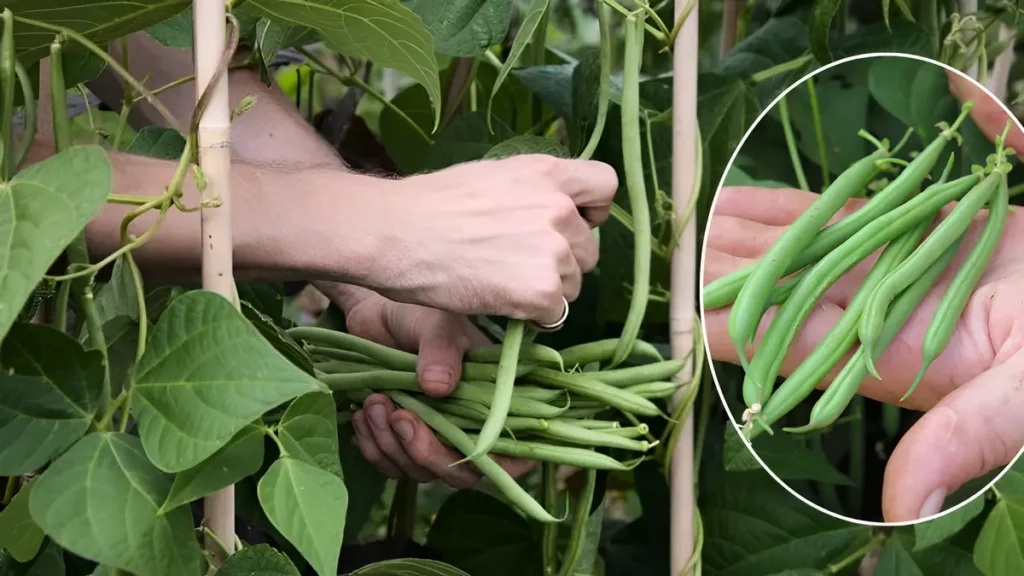
Choosing the right bean variety makes all the difference. Bush beans are compact, fast-growing, and perfect for small spaces or container gardening. Pole beans climb trellises and fences, giving higher yields over a longer period. Some varieties are resistant to pests and diseases, reducing the need for chemical sprays. Consider taste too: tender, sweet beans are great for salads, while firm varieties are perfect for cooking. Picking the right type sets the stage for a successful harvest.
Choose a Sunny Spot
French beans thrive in sunlight, needing at least 5–6 hours of direct sun each day. A bright balcony, terrace, or garden patch works best. Beans prefer well-drained soil rich in organic matter, like compost or aged manure. Avoid areas with waterlogging, as it can damage roots and reduce growth. A sunny, ventilated spot ensures stronger plants, better flowering, and higher yields, making your beans healthier and more flavorful.
Prepare Soil for Healthy Growth
Healthy soil is the foundation for productive French beans. Loosen the soil to a depth of 12–15 inches and mix in compost or organic manure to improve fertility. Beans grow best in slightly acidic to neutral soil with a pH of 6.0–7.0. Avoid chemical fertilizers at early stages; organic options encourage root development. Proper soil preparation ensures strong stems, vibrant leaves, and a consistent harvest, keeping plants free from common soil-borne diseases.
Sow Seeds with Care
Plant seeds 1–2 inches deep, spaced 3–4 inches apart for bush beans and 6–8 inches for pole beans. Water gently after sowing and keep the soil consistently moist until germination, which usually takes 7–14 days. Using fresh, high-quality seeds improves germination rates and plant vigor. Proper sowing techniques ensure even growth, reduce competition between seedlings, and set your garden on track for a plentiful bean harvest.
Support Climbing Beans
Pole beans need sturdy support for climbing. Use trellises, bamboo sticks, or fences to help the plants grow upward. Tie young stems gently to supports with soft twine to avoid damaging them. Climbing allows better air circulation, reduces pest risks, and makes harvesting easier. Proper support keeps beans off the ground, preventing rot and ensuring they remain tender and clean. This simple step greatly boosts overall productivity.
Water Consistently Without Overdoing
French beans need consistent watering, especially during flowering and pod formation. Keep the soil evenly moist but avoid waterlogging. Morning watering is ideal, as it reduces the risk of fungal diseases and allows leaves to dry during the day. Too little water can cause flowers to drop and pods to shrivel, while overwatering invites root rot. A careful watering routine ensures healthy growth and a steady, high-quality bean yield.
Feed Plants Naturally
Regular feeding helps French beans thrive. Organic fertilizers, such as compost tea, neem cake, or well-decomposed manure, improve plant strength and soil fertility. Avoid excess nitrogen fertilizers, which can produce lush foliage but fewer pods. Feeding during the flowering stage encourages more blooms and pods. Natural nutrition not only boosts growth but also improves taste, making your homegrown beans healthier and more flavorful.
Control Pests and Diseases Smartly
French beans are prone to aphids, beetles, and fungal infections. Inspect plants regularly and remove affected leaves. Homemade sprays using neem oil, garlic, or chili are effective and safe for edible crops. Companion planting with marigolds or basil can repel pests naturally. Keeping your garden clean and well-spaced reduces disease risks. Smart pest management ensures a healthy, chemical-free harvest while protecting both your plants and the environment.
Harvest at the Right Time
Beans taste best when young and tender. Pick them when they are firm, bright green, and before seeds bulge inside. Frequent harvesting encourages more pods and extends the season. Use scissors or gently twist pods off the plant to avoid damaging stems. Timely harvest ensures maximum nutrition, better flavor, and keeps plants productive throughout the growing season, giving you a steady supply of fresh beans for weeks.
Store Beans for Freshness
After harvesting, store beans in a perforated plastic bag or a container in the refrigerator. Fresh beans can last up to a week while retaining flavor and nutrients. For longer storage, blanch and freeze them. Proper handling preserves texture and freshness, so you can enjoy your homegrown beans even when daily harvesting isn’t possible. A little care after picking ensures your green harvest remains delicious and nutritious.
Enjoy Homegrown Beans Daily
French beans are versatile in cooking and rich in vitamins, minerals, and fiber. Use them in salads, stir-fries, soups, or steamed dishes. Growing your own beans guarantees chemical-free produce and adds freshness to every meal. Beyond nutrition, tending to your bean plants provides a relaxing, rewarding hobby. With consistent care and attention, homegrown French beans can become a sustainable part of your diet, bringing health and flavor straight from your garden.
Final Word on Bean Farming
Growing French beans at home is simple, cost-effective, and deeply satisfying. From choosing the right variety to timely harvesting, each step contributes to a bountiful, healthy crop. Even small spaces can yield impressive results with proper care, sunlight, and organic feeding. By following these steps, you can enjoy fresh, nutritious beans regularly, reduce grocery trips, and embrace a greener, healthier lifestyle. Your home garden can become a mini oasis of vibrant, edible greens.