Grow Cucumbers Like a Pro in 2026: Cucumbers thrive when they soak up full sunlight for at least six to eight hours daily. A bright, open space ensures faster vine growth and better fruit development. Shaded areas slow down flowering and reduce overall harvest. Choose a location with good air circulation to prevent fungal problems. Slightly warm soil boosts early growth, so planting in raised beds can give you an advantage. When sunlight is consistent, plants channel their energy into producing more flowers and ultimately more cucumbers.
Build Soil That Feeds Abundance
High yields start below the surface. Loose, well-draining soil rich in organic matter gives cucumber roots space to spread and absorb nutrients. Mix compost, aged manure, or vermicompost into the soil before planting. A slightly acidic to neutral pH between 6.0 and 7.0 works best. Avoid compacted soil, as it restricts root growth and limits productivity. Healthy soil doesn’t just support growth; it strengthens plants against stress, making them more resilient and productive throughout the season.
Pick High Yield Varieties Wisely
Not all cucumbers produce equally. For maximum harvest, choose varieties known for heavy production and disease resistance. Hybrid types often offer consistent yields and better resistance to common issues. Bush varieties are ideal for small spaces or containers, while vining types deliver larger harvests when supported properly. Check seed packets for maturity days and climate suitability. Selecting the right variety tailored to your region dramatically improves your chances of enjoying a long and fruitful growing season.
Perfect Timing Boosts Production
Cucumbers love warmth and dislike cold soil. Sow seeds only after the last frost when soil temperatures reach at least 18°C. Early planting in cold soil can stunt growth permanently. In cooler regions, starting seeds indoors and transplanting healthy seedlings can extend the season. Warm conditions encourage quick germination and vigorous growth. Proper timing ensures strong plants that flower earlier and continue producing cucumbers steadily instead of struggling through temperature stress.
Water Deeply Not Frequently
Consistent moisture is the key to sweet, crisp cucumbers. Instead of daily shallow watering, focus on deep watering two or three times a week depending on climate. The goal is to keep soil evenly moist without making it soggy. Inconsistent watering often leads to bitter-tasting fruit. Mulching with straw or dry leaves helps retain moisture and regulate soil temperature. A stable watering routine supports continuous flowering and prevents sudden drops in fruit production.
Feed Smart For Bigger Harvests
Cucumbers grow rapidly and need steady nutrition. Begin with balanced organic fertilizer when vines start developing. Once flowering begins, switch to a fertilizer slightly higher in potassium and phosphorus to encourage fruit formation. Avoid excessive nitrogen, which leads to lush leaves but fewer cucumbers. Liquid seaweed or compost tea can give an additional boost during peak growth. Feeding strategically ensures plants stay energized and productive for a longer harvesting window.
Train Vines For Maximum Space
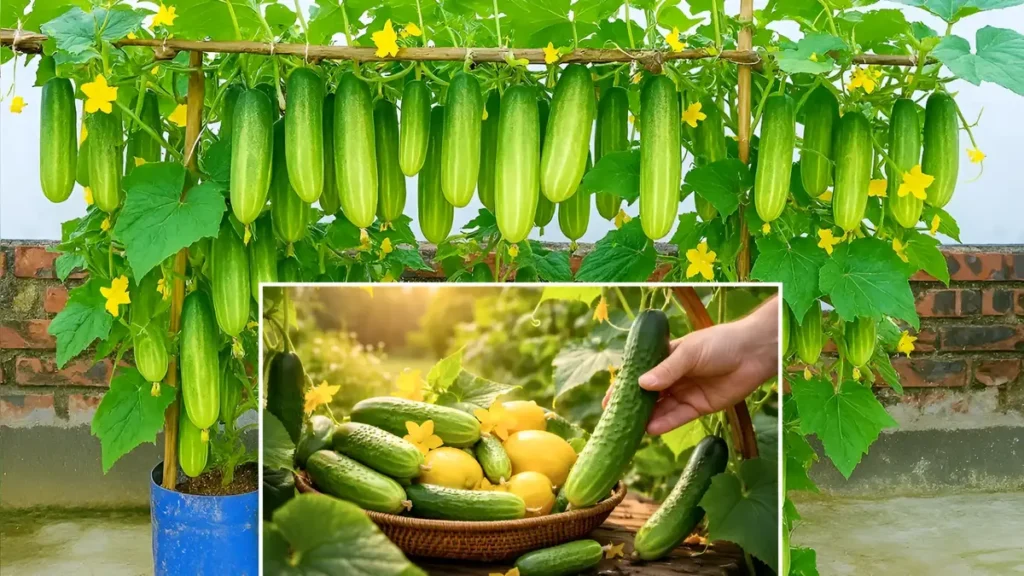
Letting cucumber vines sprawl on the ground may work, but training them vertically increases yield and saves space. Use trellises, nets, or sturdy supports to guide vines upward. Vertical growth improves air circulation, reduces disease risk, and keeps fruits clean and straight. It also makes harvesting easier and more frequent. When vines receive proper support, they continue producing without being stressed by tangled growth or damaged stems.
Control Pests Before They Multiply
A proactive pest management plan protects your harvest. Common cucumber pests include aphids, cucumber beetles, and spider mites. Inspect plants regularly, especially under leaves. Neem oil spray or mild soap solutions can control early infestations naturally. Companion planting with herbs like basil or marigold may help deter harmful insects. Removing infected leaves promptly prevents the spread of disease. Early action keeps plants healthy and focused on fruit production instead of survival.
Harvest Often For Endless Supply
Frequent harvesting encourages plants to produce more cucumbers. Pick fruits when they reach ideal size rather than waiting too long. Overripe cucumbers signal the plant to slow down production. Use clean scissors or gently twist fruits off to avoid damaging vines. Daily checking during peak season ensures you never miss ready-to-pick cucumbers. The more you harvest, the more the plant continues to flower and set new fruit.
Extend The Growing Season Smartly
To maximize yields, consider succession planting every few weeks during the growing season. This ensures continuous production even if earlier plants slow down. In regions with mild autumns, row covers can protect plants from light cold snaps. Healthy maintenance, proper feeding, and pest monitoring allow vines to produce longer than expected. Extending the season means enjoying fresh cucumbers beyond the usual harvesting period.
Final Verdict For Record Harvests
Growing cucumbers like a pro in 2026 is about combining smart planning with consistent care. From choosing the sunniest spot to feeding plants correctly and harvesting regularly, every step directly impacts your yield. When soil health, watering balance, and pest control work together, cucumbers reward you generously. Follow this high-yield blueprint and your garden will not just grow cucumbers, it will overflow with them.