Grow Giant Corn at Home in 2026: Growing giant corn at home is no longer just a dream for backyard gardeners. With the right sunlight, soil, and care, you can enjoy sweet, plump ears that are perfect for fresh eating or cooking. Unlike small, thin varieties, giant corn requires attention to detail, but the results are worth it. By following these expert tips, you’ll learn how to maximize growth, boost yields, and enjoy homegrown corn that rivals commercial farms.
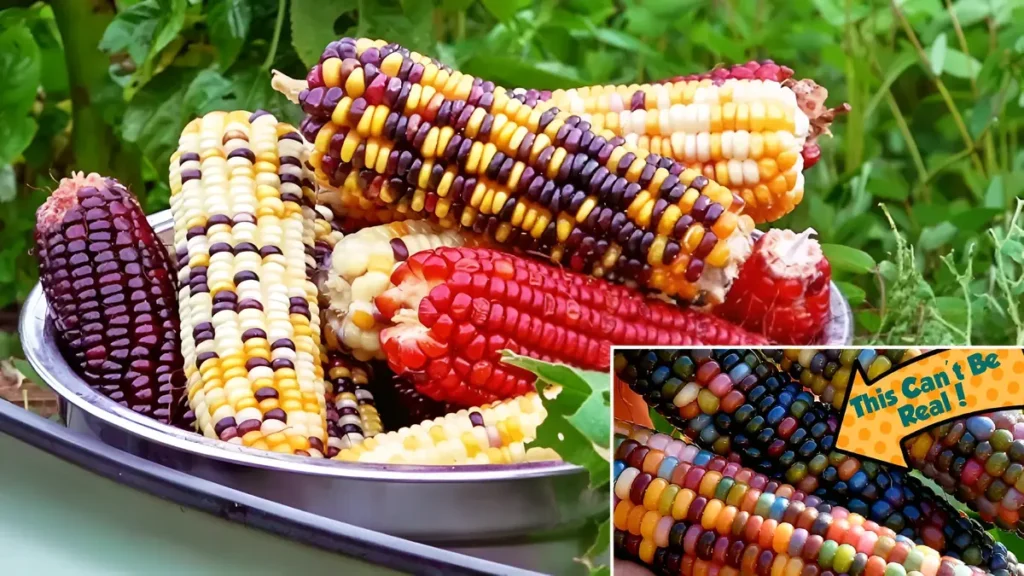
Pick the Perfect Corn Variety
Not all corn is created equal, and the right variety sets the foundation for success. Sweet corn hybrids and large-kernel varieties are ideal for backyard gardens. Look for seeds labeled “giant” or “high-yield” to ensure faster growth and bigger ears. Some varieties are bred for disease resistance, which makes care easier. Local garden centers and online stores offer plenty of options. Choosing the right variety ensures your corn will thrive in your climate while producing juicy, full-sized kernels.
Prepare Soil for Maximum Nutrition
Giant corn demands rich, fertile soil to reach its full potential. Start by loosening the soil to a depth of 12 inches, then add organic compost or well-rotted manure. Corn prefers slightly acidic to neutral soil, so test pH and adjust if needed. Mulching the soil surface helps retain moisture and suppresses weeds, allowing roots to grow deep and strong. Proper soil preparation ensures your corn receives the nutrients it needs for healthy stalks and large, plump ears.
Plant in Full Sun for Better Growth
Sunlight is non-negotiable when growing giant corn. Each plant should receive at least six to eight hours of direct sunlight daily. Avoid shady spots, as they reduce sugar content and slow growth. If your garden is small, plant in blocks rather than single rows to encourage proper pollination. The more sunlight your corn receives, the sweeter and juicier the kernels will be. Full sun also strengthens the stalks, making them less likely to bend or break under heavy ears.
Water Consistently Without Overdoing
Corn is a thirsty plant, especially during ear development. Consistent watering ensures that the kernels grow full and juicy. Provide about one inch of water per week, preferably in the morning. Avoid overwatering, which can lead to root rot. Drip irrigation or a soaker hose is ideal to keep soil evenly moist. Proper watering during tassel and silk formation is critical, as insufficient moisture can reduce kernel size and affect overall yield.
Fertilize for Bigger Ears
Fertilization plays a key role in giant corn production. Use a nitrogen-rich fertilizer when the plants are 6–12 inches tall to encourage leaf growth. Switch to a balanced fertilizer as tassels appear to support ear development. Applying fertilizer every 3–4 weeks ensures strong growth and plump kernels. Organic options like fish emulsion or compost tea also work well. A proper fertilization schedule maximizes nutrition and helps your corn reach the impressive size you’re aiming for.
Support Stalks to Prevent Damage
Tall corn stalks can topple during wind or heavy rains, so support is essential. Use stakes or plant in rows that block wind to keep them upright. Tying stalks loosely with garden twine prevents bending without restricting growth. Strong, upright stalks allow ears to grow evenly and develop fully. Providing support is a simple step that protects your investment and ensures the giant ears stay intact until harvest.
Pollinate for Full Kernels
Corn relies on wind pollination to fill kernels evenly. To improve pollination, gently shake tassels during the morning when pollen is released. For small gardens, hand-pollinating by transferring pollen from tassels to silks ensures every kernel develops. Proper pollination leads to tightly packed, plump kernels that are juicy and sweet. This simple step can dramatically improve the quality of your harvest, making your homegrown corn look and taste professional.
Harvest at the Right Time
Timing is everything when harvesting giant corn. Pick ears when the silks turn brown, and kernels are plump and milky. Check by pressing a kernel with your fingernail; it should release a milky liquid. Harvesting too early results in smaller, less sweet kernels, while waiting too long can dry them out. Properly timed harvest ensures maximum sweetness, juiciness, and texture, giving you the perfect ear for roasting, boiling, or grilling.
Protect Against Pests Naturally
Homegrown corn can attract pests like caterpillars, aphids, or birds. Use natural deterrents like neem oil or row covers to protect your crop. Companion planting with marigolds or basil can also reduce insect pressure. Regularly inspect plants for signs of damage and remove affected leaves promptly. Keeping pests under control ensures your corn grows healthy, plump, and free from blemishes, leading to a better harvest without relying on harsh chemicals.
Final Verdict on Growing Giant Corn
Growing giant corn at home is a rewarding experience that combines patience, care, and smart gardening techniques. By choosing the right variety, preparing soil properly, ensuring full sunlight, and following proper watering, fertilization, and pollination methods, anyone can enjoy sweet, plump ears straight from their backyard. With a little attention to pest control and timing, your harvest will be impressive. In 2026, growing giant corn at home is easier than ever, offering fresh, juicy rewards for every gardener willing to try.