Grow Vegetables from Seeds in Plastic Bottles: Growing your own vegetables doesn’t have to be complicated or expensive. Even if you live in a small apartment, you can create a productive mini garden using simple plastic bottles. This method saves space, reduces waste, and gives you fresh, homegrown vegetables right at your fingertips. With a little patience, the right technique, and consistent care, anyone can turn ordinary bottles into thriving green spaces. Let’s explore how step by step.
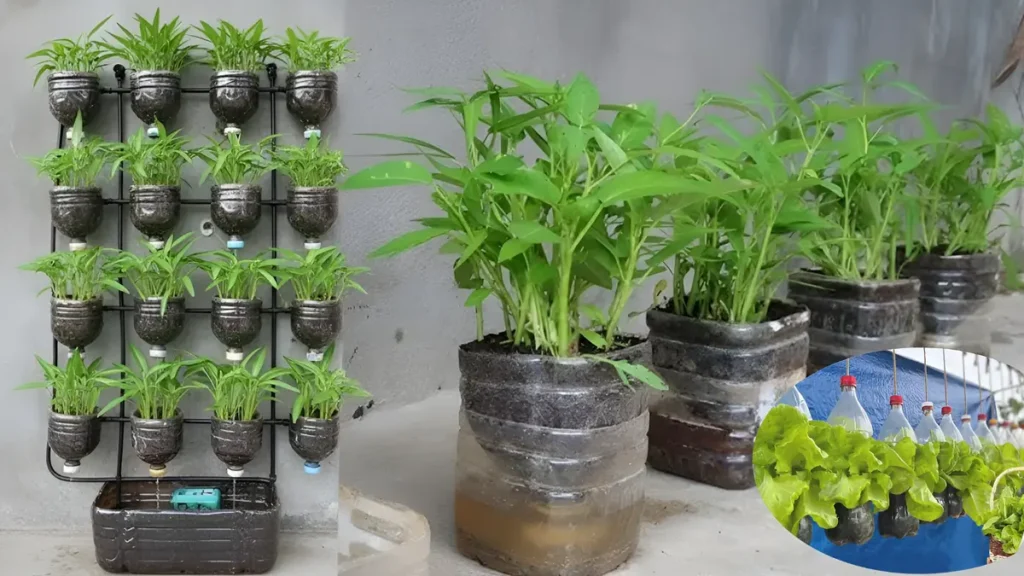
Pick the Perfect Bottle for Gardening
Choosing the right bottle sets the foundation for success. Clear plastic bottles are best because they allow sunlight to reach your seedlings. Bottles around 1.5 to 2 liters work perfectly for most vegetables. Make sure the bottle is clean, free from labels, and rinsed thoroughly. Cut it carefully to create a top opening for planting and a bottom section for water drainage. This simple setup ensures your seedlings have enough space to grow strong and healthy.
Select Vegetables That Grow Fast
Not all vegetables thrive in bottles. Leafy greens like spinach, lettuce, and arugula are ideal for beginners because they grow quickly and need minimal space. Herbs like basil, cilantro, and mint also flourish in small containers. If you want something fruiting, cherry tomatoes or small chili peppers can be grown in larger bottles. Starting with fast-growing vegetables gives instant results and keeps your motivation high, encouraging you to continue your bottle gardening journey.
Prepare Soil That Feeds Roots
Healthy soil is key to a thriving bottle garden. Use a mix of potting soil, compost, and perlite for optimal drainage and nutrients. Avoid using garden soil directly, as it may contain pests. Fill the bottle loosely to allow air pockets that encourage root growth. Adding a thin layer of gravel at the bottom helps water drainage. Rich, well-draining soil ensures your vegetables develop strong roots and grow faster, producing bigger, healthier leaves and fruits.
Sow Seeds with Precision
Planting seeds correctly is crucial for strong growth. Check the seed packet for the recommended depth—usually just a few millimeters for small seeds. Plant one or two seeds per hole to prevent overcrowding. Cover lightly with soil and water gently using a spray bottle. Label each bottle to keep track of your vegetables. Proper sowing reduces seedling stress and encourages uniform germination, giving you a healthy, productive mini garden from the very start.
Water Carefully and Consistently
Watering is more than just keeping soil moist—it’s about balance. Overwatering can cause root rot, while under-watering dries seedlings. Use a spray bottle or small watering can to keep soil evenly damp. Bottom watering works too; place bottles in a tray with water and let the soil absorb moisture slowly. Check daily, especially in sunny areas. Proper watering ensures deep root development and steady growth, helping your vegetables flourish in compact containers.
Sunlight Makes Plants Thrive
Sunlight fuels plant growth. Place bottles where they get 4–6 hours of direct sunlight daily. If natural light is limited, use an LED grow light for 12–16 hours a day. Rotate the bottles periodically so all sides receive sunlight, preventing plants from leaning or growing unevenly. Adequate light encourages strong stems and vibrant leaves. Plants grown in the right light will be more resilient, produce more vegetables, and remain healthy throughout their life cycle.
Support Plants as They Grow
Some vegetables need extra support. Cherry tomatoes, peppers, and tall herbs may bend or topple as they grow. Use small sticks or skewers as supports, tying plants gently with soft string. Check growth daily and adjust supports as needed. Proper support prevents stems from breaking, improves air circulation, and ensures sunlight reaches every leaf. Supporting plants correctly leads to stronger growth and higher yields, even in small bottle gardens.
Feed Plants with Fertilizer
Even nutritious soil benefits from occasional feeding. Use a diluted liquid fertilizer every 2–3 weeks, or try organic options like compost tea or fish emulsion. Avoid overfertilizing, which can burn roots. Fertilization promotes leaf growth, stronger stems, and healthy overall development. With the right nutrients, your vegetables will grow faster and produce more, making your bottle garden productive and rewarding with minimal effort.
Harvest at Peak Freshness
Harvesting at the right time ensures the best flavor and encourages continuous growth. Leafy greens can be picked as soon as they have mature leaves. Herbs can be trimmed regularly for regrowth. Fruit-bearing vegetables like cherry tomatoes or peppers should be harvested when fully colored and firm. Use scissors or gently twist fruits to avoid damaging the plant. Timely harvesting keeps plants healthy, prolongs their productivity, and rewards you with fresh, tasty vegetables straight from your mini garden.
Reuse Bottles for Endless Gardening
Once a bottle has served its purpose, don’t discard it. Cut it to make new seedling trays, storage containers, or mini greenhouses. Creative reuse reduces plastic waste and gives you more space for planting. Experiment with different bottle shapes for various vegetables. Each bottle becomes an opportunity to refine your gardening skills and make your setup more efficient. With a little imagination, plastic bottles can keep producing fresh vegetables season after season sustainably.
Final Verdict
Growing vegetables from seeds in plastic bottles is simple, affordable, and rewarding. With the right bottles, soil, seeds, sunlight, and care, even beginners can enjoy homegrown vegetables with minimal space. This method is perfect for apartments, urban homes, and eco-conscious gardeners. By following these steps, ordinary bottles transform into productive mini gardens, providing fresh greens, herbs, and fruits throughout the year. Start your bottle garden today and experience the joy of nurturing your own food.