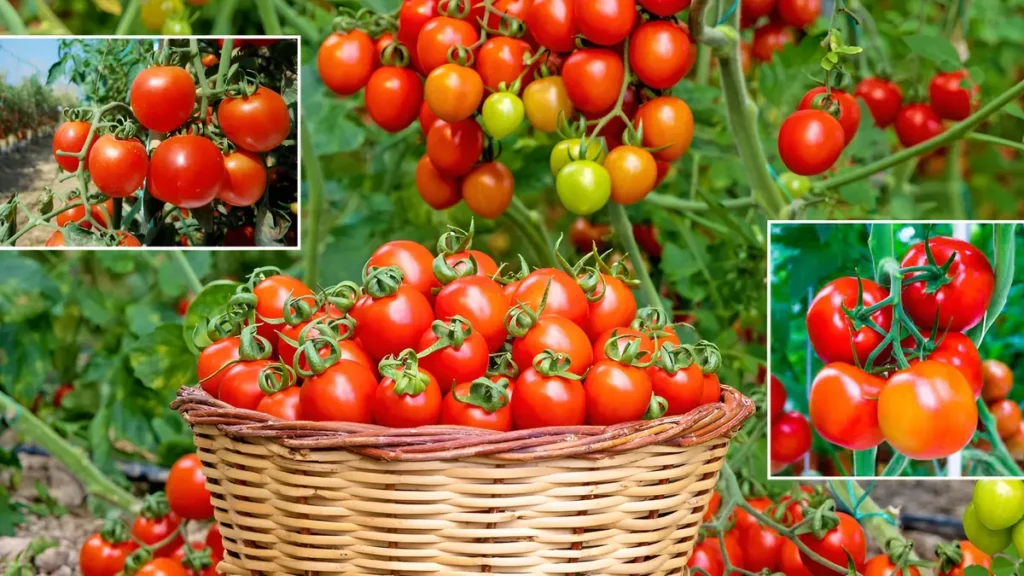
High-Yield Tomato Farming 2026: Tomatoes are one of the most rewarding crops for both home gardeners and commercial farmers. A high-yield tomato harvest doesn’t happen by chance—it’s the result of proper planning, care, and modern farming techniques. From soil preparation to pruning, nutrition, and disease management, every step matters. In 2026, farmers are turning to smarter, organic methods that increase productivity while keeping the crop healthy and sustainable. Here’s a complete guide to getting the best yield from your tomato plants.
Choose Soil That Powers Growth
The foundation of healthy tomato plants is the right soil. Tomatoes thrive in well-draining, loamy soil with a slightly acidic pH of 6.0 to 6.8. Before planting, mix in organic compost or aged manure to enrich nutrients and improve soil structure. Proper soil prevents waterlogging and ensures roots receive enough oxygen. Avoid heavy clay or compacted soil, as it can stunt growth and increase susceptibility to root diseases, directly impacting yield.
Boost Plants With Organic Nutrition
Feeding your tomatoes organically is essential for healthy growth and better fruit quality. Use compost, vermicompost, and organic liquid fertilizers to supply essential nutrients like nitrogen, phosphorus, and potassium. Foliar feeding with organic solutions allows plants to absorb micronutrients efficiently. Organic nutrition strengthens immunity against pests and diseases and enhances flavor. Healthy plants grown organically can fetch higher market prices, making this method both profitable and sustainable for 2026 tomato farming.
Prune Strategically for Maximum Fruit
Pruning is more than trimming leaves—it is a growth booster. Removing lower leaves, dead branches, and suckers improves airflow and sunlight penetration. This reduces the risk of fungal infections and allows energy to focus on fruit production. Pinching early blossoms can strengthen young plants, leading to bigger yields later. Consistent pruning helps plants develop sturdy stems, better fruit size, and uniform ripening, making your tomatoes more attractive for both home use and commercial sale.
Water Smartly for Healthier Plants
Watering plays a critical role in tomato farming. Inconsistent watering causes blossom drop, cracking, and uneven fruit. Drip irrigation or soaker hoses are the best options to maintain steady moisture without waterlogging. Water early in the morning to reduce evaporation and fungal growth. Mulching around the base of plants helps retain soil moisture and prevents weeds. Consistent hydration ensures strong roots, healthy foliage, and a uniform, high-quality tomato harvest.
Protect Against Common Diseases
Tomatoes are vulnerable to diseases like blight, wilt, and leaf spot, which can drastically reduce yields. Preventive measures such as crop rotation, using disease-resistant varieties, and removing infected leaves are essential. Organic sprays like neem oil or bio-fungicides can control pests and fungal infections without harming the soil. Proper spacing and pruning also improve air circulation, reducing disease risks. Vigilant monitoring ensures early detection, saving plants from severe damage and maintaining consistent production.
Support Plants With Stakes and Trellises
Supporting tomato plants is crucial for growth and fruit quality. Staking or trellising prevents plants from sprawling on the ground, reducing damage and disease exposure. Vertical growth improves airflow and sunlight distribution, leading to better fruit development. Using strong bamboo sticks, cages, or net trellises ensures stability, especially during windy weather. Proper support also makes harvesting easier, reduces fruit bruising, and keeps plants organized for commercial or home gardens.
Harvest at Peak Ripeness
Timing is everything when it comes to harvesting tomatoes. Picking fruits too early or too late affects flavor, shelf life, and market value. Look for firm, fully colored tomatoes that have a slight give when gently pressed. Regular harvesting encourages the plant to produce more flowers and fruits. Handle tomatoes carefully to avoid bruising and store them in cool, shaded areas if not sold immediately. Proper harvest management ensures maximum yield and consistent quality for 2026 markets.
Embrace Sustainable Practices
Sustainable farming is becoming a top priority for high-yield tomato growers. Avoid over-reliance on chemical fertilizers and pesticides, and adopt organic or integrated pest management techniques. Crop rotation, composting, and water-saving methods improve soil health and long-term productivity. Sustainable practices not only enhance yield but also reduce costs, improve taste, and attract environmentally conscious buyers. A balanced approach ensures your tomato farm remains productive year after year.
Final Word on Tomato Success
High-yield tomato farming requires a combination of smart soil management, organic nutrition, careful pruning, disease control, proper watering, and sustainable practices. Each step contributes to healthier plants, bigger fruits, and better profits. By following these expert tips in 2026, you can transform your tomato farming efforts into a reliable and productive venture. Whether for personal consumption or commercial purposes, these strategies ensure your tomato plants reach their full potential.