How to Grow Avocados Anywhere in 2026: Avocados are more than just a trendy fruit—they are a versatile, nutrient-packed addition to your kitchen and garden. Growing them at home has never been easier, whether you live in a city apartment, a suburban backyard, or even a balcony. With the right approach, you can enjoy fresh, creamy avocados while creating an eco-friendly, green space. This guide will show you everything you need to know to grow avocados successfully, from pots and seeds to orchards and sustainable care.
Choose the Right Pot for Success
Starting avocados indoors begins with picking the right container. Use a deep pot with good drainage to prevent root rot. Terracotta or ceramic pots work best because they maintain consistent moisture while allowing airflow. Fill it with rich, well-draining soil and ensure the plant gets plenty of sunlight, at least six hours a day. Regular watering, combined with occasional fertilization, will give your indoor avocado tree the foundation it needs to grow strong and healthy.
Find the Sunniest Outdoor Spot
For outdoor cultivation, sun exposure is critical. Avocados thrive in full sun, but they also need protection from harsh winds and frost. Choose a slightly elevated spot to prevent water accumulation around the roots. Enrich the soil with organic compost and mulch to retain moisture and support nutrient absorption. Strategically planting companion plants like herbs or citrus can naturally deter pests and improve pollination, helping your avocado tree flourish in an outdoor orchard setting.
Decide Between Seed or Grafted Trees
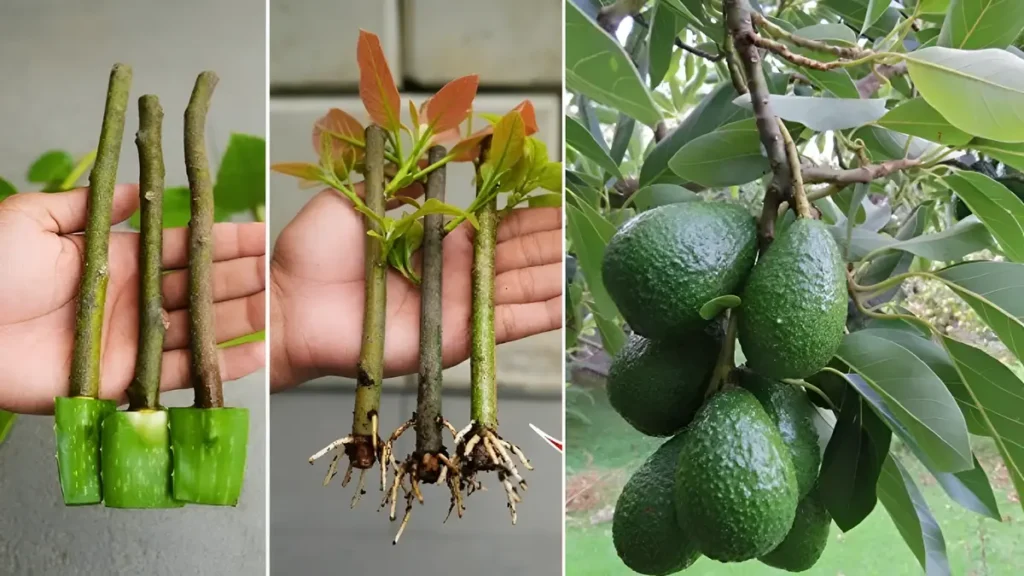
Starting with a seed is fun and educational, but it takes longer to bear fruit—typically five to ten years. Grafted trees, on the other hand, are bred for fruit production and can start yielding within three to four years. Seed-grown plants are perfect for indoor greenery or decorative purposes. Your choice depends on your goals: experiment and enjoy the process with seeds, or invest in a grafted tree if you want early harvests and reliable fruit quality.
Use Eco-Friendly Fertilizers
Healthy avocado growth relies on nutrient-rich soil. Instead of chemical fertilizers, opt for organic options like compost, worm castings, or natural plant food. These eco-friendly alternatives improve soil texture, retain moisture, and promote strong root systems. Sprinkle them around the base of your plant every few months and gently mix into the soil. Not only will this support a greener garden, but it will also produce healthier fruit, making your homegrown avocados more flavorful and environmentally sustainable.
Keep Watering Consistent but Smart
Overwatering is one of the most common mistakes in avocado care. These plants prefer consistently moist soil but hate sitting in water. Check the top inch of soil before watering; if it feels dry, it’s time to hydrate. Indoors, small pots may dry faster, so water more frequently, while outdoor trees benefit from deeper, less frequent watering. Using a drip irrigation system or self-watering planters can save time and ensure your avocado tree receives the right amount of moisture year-round.
Prune for Growth and Fruit
Pruning is essential for both indoor and outdoor avocado trees. Regular trimming removes dead or crowded branches, allowing sunlight and air to reach all parts of the plant. This encourages stronger branches and increases the chance of fruit production. For indoor trees, pruning keeps the plant compact and manageable. Outdoor orchards benefit from structural pruning to maintain tree shape and accessibility. Always use clean, sharp tools to prevent disease and ensure healthy cuts for long-term growth.
Protect from Pests Naturally
Avocados attract some common pests like aphids, mites, or caterpillars, but chemical sprays are not necessary. Introduce beneficial insects like ladybugs, or use neem oil and natural insecticidal soaps to control infestations. Mulching around the tree helps prevent soil-dwelling pests. Regularly inspect leaves for damage and remove affected areas immediately. Combining these techniques ensures a pest-free garden while keeping your environment safe, organic, and eco-friendly.
Encourage Pollination for Better Yields
Pollination is key to fruit development. While avocados can self-pollinate, having multiple trees increases yield significantly. Outdoor growers can attract pollinators like bees by planting flowering companion plants nearby. For indoor trees, hand pollination with a small brush can mimic natural pollination. Understanding the flowering patterns of your avocado variety ensures maximum fruit set, giving you more delicious avocados without relying on chemical interventions.
Use Mulch for Healthier Roots
Mulching around your avocado tree improves soil health and water retention. Organic mulches like shredded leaves, grass clippings, or bark keep roots cool, reduce evaporation, and add nutrients as they decompose. Maintain a 2–3 inch layer around the base, but keep it slightly away from the trunk to prevent rot. Mulching also discourages weeds and maintains a clean garden aesthetic, making your avocado-growing journey both low-maintenance and productive.
Monitor Temperature for Optimal Growth
Avocados are sensitive to extreme temperatures. Young plants especially need warmth above 60°F to thrive. If grown indoors, avoid placing them near air conditioners or heaters. Outdoor trees may require frost protection in cooler regions, such as covering them with blankets or frost cloths during winter nights. By monitoring temperature carefully, you create an environment that supports consistent growth and fruiting, helping your avocado tree adapt to any climate while staying healthy and productive.
Final Verdict
Growing avocados in 2026 is easier than ever with the right techniques, eco-friendly practices, and consistent care. Whether indoors in a sunny pot or outdoors in a thriving orchard, these trees bring freshness, beauty, and sustainability to your home. By choosing the right container, soil, watering schedule, and natural fertilizers, anyone can enjoy homegrown avocados. With patience and a green thumb, you can cultivate delicious, creamy fruit while contributing to a healthier, more eco-conscious garden.