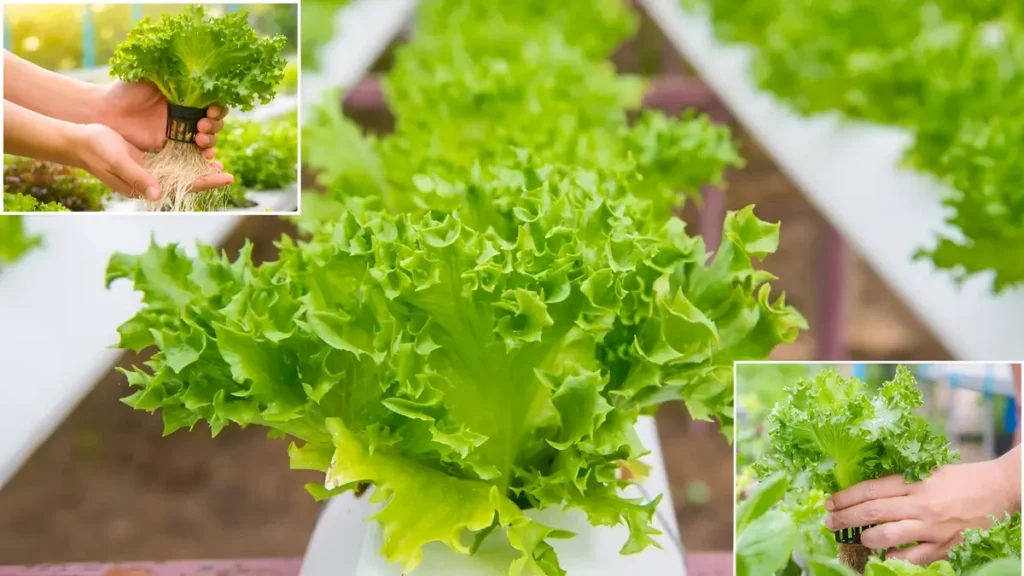
Hydroponic Lettuce 2026: Fresh, crunchy lettuce doesn’t have to come from a backyard garden anymore. In 2026, hydroponic lettuce has become a practical and modern way to grow leafy greens right inside your home. No mud, no digging, and no seasonal limitations. With simple tools and the right nutrients, you can enjoy pesticide-free, nutrient-rich leaves throughout the year. Hydroponic gardening is clean, efficient, and perfect for apartments, small homes, or anyone who wants fresh food within arm’s reach.
Soil Free Growing Revolution
Hydroponic gardening replaces soil with nutrient-rich water, delivering minerals directly to plant roots. This direct feeding method helps lettuce grow faster and more evenly compared to traditional gardening. Because the roots receive oxygen and nutrients in a controlled environment, growth cycles shorten significantly. Many home growers report harvesting lettuce in as little as four weeks. The system also uses up to 80 percent less water than soil gardening, making it eco-friendly and ideal for sustainable living in 2026.
Pick The Perfect Lettuce
Choosing the right lettuce variety makes a big difference in hydroponic success. Leaf lettuce, butterhead, and romaine remain popular choices because they adapt quickly to water-based systems. Compact indoor varieties are especially suitable for limited spaces. These types grow evenly, require less structural support, and produce tender, flavorful leaves. Selecting high-quality seeds labeled for hydroponic or indoor use improves germination rates and ensures your plants stay healthy from the very beginning.
Create A Compact Setup
Setting up a home hydroponic system is easier than many people expect. Beginners often start with deep water culture systems, where roots sit in oxygenated nutrient water. A small reservoir, net pots, growing medium like rockwool, and an air pump are usually enough to begin. Modern countertop kits are also widely available in 2026 for convenience. The entire setup can fit in a kitchen corner or spare shelf, turning unused space into a productive green zone.
Light Drives Leaf Growth
Proper lighting is essential for producing crisp and vibrant lettuce leaves. When natural sunlight is limited, full-spectrum LED grow lights provide consistent illumination. Lettuce typically requires 10 to 14 hours of light daily for optimal development. LED technology has improved significantly in 2026, offering energy efficiency and adjustable brightness settings. Position lights about 6 to 12 inches above the plants to prevent stretching while ensuring compact, dense leaf formation that looks and tastes fresh.
Balanced Nutrients Matter Most
Hydroponic lettuce depends entirely on nutrient solutions for growth. A balanced formula rich in nitrogen promotes lush green leaves, while potassium and calcium strengthen plant structure. Maintaining a pH level between 5.5 and 6.5 ensures efficient nutrient absorption. Testing kits make monitoring easy and affordable. Overfeeding can cause tip burn, while underfeeding slows growth. Regularly checking nutrient concentration keeps your lettuce healthy, flavorful, and ready for harvest without unexpected problems.
Temperature Controls Crisp Texture
Lettuce prefers cooler temperatures, typically between 60 and 70 degrees Fahrenheit. Excessive heat may cause bitterness or bolting, where the plant prematurely produces flowers. Indoor hydroponic systems allow better climate control compared to outdoor gardens. Air circulation also plays a key role in preventing fungal issues and maintaining leaf firmness. In warmer regions, placing the system in an air-conditioned room helps maintain stable conditions and supports consistent, high-quality production.
Water Quality Ensures Success
Clean water forms the backbone of any hydroponic system. Filtered or purified water reduces the risk of harmful mineral buildup. Oxygenation is equally important, as roots need air to prevent rot. Air stones connected to small pumps keep the water circulating and oxygen-rich. Changing the nutrient solution every two to three weeks prevents stagnation and maintains freshness. Clear water management practices guarantee healthy root systems and vibrant green leaves ready for your salad bowl.
Harvest Fresh All Year
One of the biggest advantages of hydroponic lettuce is year-round harvesting. Unlike traditional gardening, seasons do not limit production. Leaves can be picked gradually using the cut-and-come-again method, encouraging continuous growth. This approach allows you to enjoy fresh lettuce weekly without replanting each time. With consistent care, a small indoor system can supply enough greens for a household, reducing grocery expenses and ensuring constant access to fresh produce.
Healthy Living Starts Indoors
Growing hydroponic lettuce at home means knowing exactly what goes into your food. There is no soil contamination, fewer pests, and minimal need for chemical treatments. Freshly harvested leaves retain more nutrients and flavor compared to store-bought options that travel long distances. In 2026, many families are turning to indoor hydroponics as part of a healthier lifestyle. It promotes self-sufficiency, reduces food waste, and brings a sense of satisfaction with every harvest.
Final Verdict On Hydroponic Lettuce
Hydroponic lettuce in 2026 represents a smart, modern approach to home gardening. It saves water, grows faster, and fits comfortably into small living spaces. With the right variety, proper lighting, balanced nutrients, and clean water, anyone can produce crisp, flavorful leaves without soil. The process is simple, efficient, and rewarding. For those seeking fresh greens year-round, hydroponic lettuce offers a practical solution that blends convenience, sustainability, and healthy living into one compact system.