Ultimate Guide to Growing Passion Fruit at Home: Passion fruit is more than just a tropical treat it’s a plant that adds beauty and flavor to your home garden. Its vibrant vines and aromatic flowers brighten any space, while the fruits are packed with tangy sweetness perfect for juices, desserts, and salads. Growing passion fruit at home may sound intimidating, but with the right steps and a little care, you can enjoy a bountiful harvest. This guide will take you through planting, nurturing, and harvesting your passion fruits efficiently.
Select the Perfect Variety
Choosing the right passion fruit variety is the first step to success. Purple passion fruit is hardy in cooler climates and produces smaller, aromatic fruits, while yellow varieties prefer warm, tropical conditions and yield larger, sweeter fruits. Dwarf or compact varieties work well in containers or limited spaces. Picking a suitable variety ensures better flowering, easier maintenance, and higher fruit production, giving you more satisfaction from your home-grown passion fruits.
Give Vines Plenty of Sun
Passion fruit thrives in sunlight, needing at least six hours of direct sun each day. Sunlight strengthens the vines, encourages abundant flowers, and improves fruit sweetness. Avoid shaded corners and poorly ventilated areas that can slow growth or invite fungal infections. If planting in pots, place them on balconies or patios that receive full sunlight. Remember, the more sunshine your vines get, the juicier and more flavorful your passion fruits will be.
Build Nutrient-Rich Soil
Healthy soil is essential for vigorous growth and fruitful harvests. Passion fruit prefers well-draining soil enriched with organic matter such as compost or aged manure. A slightly acidic to neutral pH allows roots to absorb nutrients effectively. Before planting, loosen the soil and mix in organic amendments to improve fertility and drainage. Well-prepared soil reduces the risk of root rot and supports strong, resilient vines that can produce abundant flowers and fruits year after year.
Start Seeds or Seedlings
You can grow passion fruit from seeds or young seedlings, depending on your patience and timeline. Seeds offer the joy of experimenting with varieties but take longer to mature. Soak seeds overnight and plant them in small pots with moist soil for quicker germination. Seedlings provide a faster route to flowering and fruiting and are usually more disease-resistant. Both options are rewarding, so choose what works best for your space and schedule.
Provide Strong Support Structures
Passion fruit vines are vigorous climbers and need support to grow upright and produce more fruits. Trellises, fences, or sturdy poles work well. A strong structure prevents sprawling, reduces damage to the vines, and improves air circulation, which helps prevent fungal problems. Regularly train young shoots along the support to encourage vertical growth. Proper support ensures your passion fruit plants stay organized, healthy, and highly productive.
Water Consistently but Wisely
Consistent watering is crucial, especially during flowering and fruiting stages. Passion fruit prefers soil that is moist but not waterlogged. Overwatering can lead to root rot, while underwatering stresses the plant and reduces fruit quality. Deep watering once or twice a week is ideal, depending on your climate. Mulching around the base retains moisture and keeps roots cool, giving your passion fruit the hydration it needs to thrive.
Feed Your Plants Regularly
Nutrient-rich soil alone is not enough; regular feeding boosts growth and fruiting. Use a balanced fertilizer high in potassium and phosphorus to encourage flowering and fruit development. Organic options like compost tea or seaweed extract also enhance plant health. Apply fertilizer every 4–6 weeks during the growing season, following recommended amounts. Well-fed passion fruit plants produce more flowers, healthier fruits, and stronger vines, rewarding your care with a bountiful harvest.
Encourage Flowering Naturally
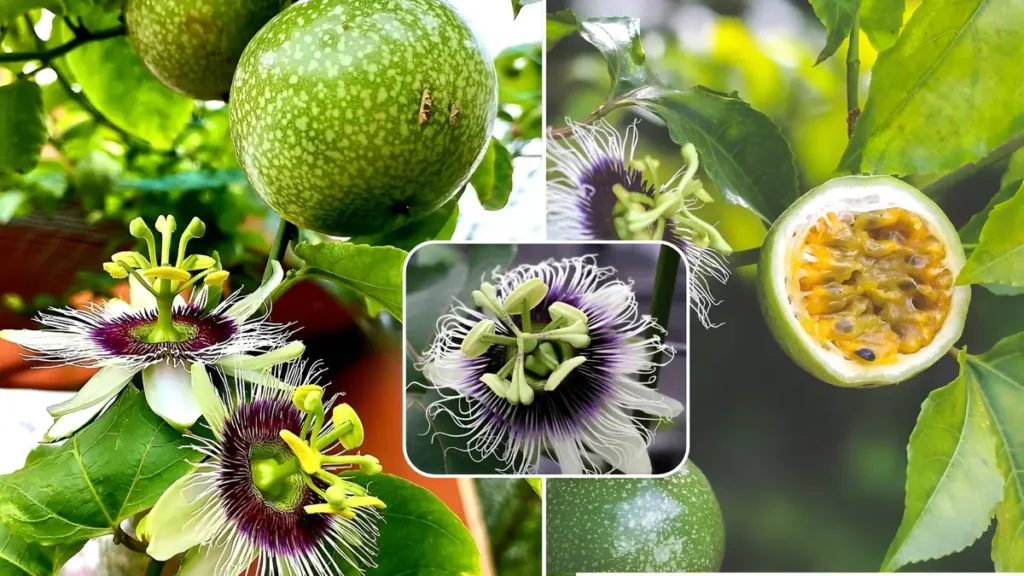
Flowering is the key to a successful harvest. Passion fruit flowers best when it receives ample sunlight, nutrients, and consistent watering. Pollination is vital if natural pollinators are scarce, gently shake flowers or use a soft brush to transfer pollen. Avoid over-pruning during flowering as it can reduce blooms. Healthy flowers directly lead to more fruits, so giving your plant the right conditions ensures that your home-grown passion fruit yield remains high.
Watch for Common Pests
Like any garden plant, passion fruit can attract pests such as aphids, fruit flies, and mealybugs. Inspect leaves and fruits regularly for signs of infestation. Natural remedies like neem oil, insecticidal soap, or ladybugs can keep pests under control. Maintaining plant health through proper watering, pruning, and fertilization also reduces vulnerability. Staying vigilant ensures your passion fruit plants remain strong and productive without compromising fruit quality.
Harvest at Peak Ripeness
Timing the harvest is crucial for the best flavor. Passion fruits are ready when they have fully colored skin purple or yellow depending on the variety and begin to wrinkle slightly. Gently twist or cut the fruit from the vine to avoid damaging stems. Harvesting regularly encourages the plant to produce more flowers and fruits. Freshly picked passion fruits can be eaten immediately, juiced, or stored at room temperature for a few days, giving you delicious rewards from your home garden.
Enjoy Fresh Passion Fruits
Once harvested, the real joy begins. Slice open the passion fruit to reveal its juicy, aromatic pulp and seeds. Add it to smoothies, desserts, or salads for a tropical twist. Growing your own passion fruit not only provides fresh, flavorful fruits but also connects you to the gardening process. Sharing the harvest with friends and family adds extra satisfaction, making the effort of caring for your passion fruit vines truly worthwhile.
Conclusion
Growing passion fruit at home is a delightful mix of patience, care, and rewards. From selecting the right variety to providing sunlight, water, nutrients, and support, every step contributes to a thriving plant. With attention to pests and proper harvesting, you can enjoy fresh, delicious passion fruits right from your garden or balcony. By following these tips, anyone can turn a few seeds or seedlings into a flourishing tropical paradise at home, bringing beauty and flavor all year round.