Vertical Vegetable Growing 2026: Gardening in small spaces doesn’t mean sacrificing your favorite vegetables. Vertical vegetable growing has become a game-changer for urban gardeners and backyard enthusiasts alike. Squash, cucumbers, and melons can thrive when trained upward, giving you higher yields, easier harvesting, and a visually appealing garden. By mastering trellis techniques and plant support, you can maximize your space without compromising plant health or flavor. Let’s explore practical tips and strategies to grow vertically like a pro.
Maximize Your Garden Space
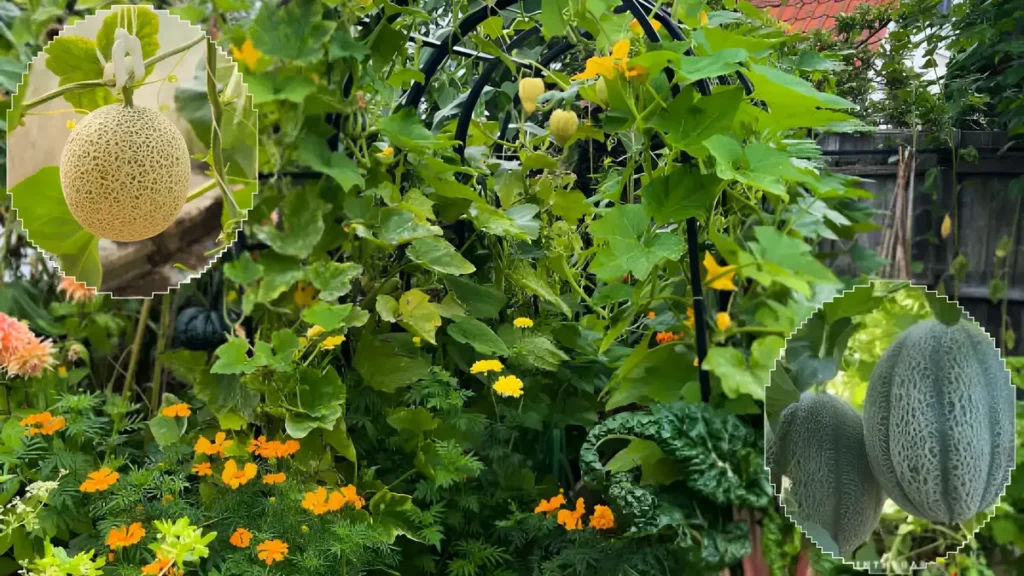
Vertical gardening is all about using height instead of ground area. By letting vining crops climb a trellis or frame, you can fit more plants into the same footprint. This method frees up soil for other vegetables, flowers, or herbs while keeping pathways clear. It’s ideal for patios, balconies, and tight yards. Growing upward also encourages better airflow around your plants, which reduces the risk of fungal infections and keeps leaves drier and healthier.
Pick The Perfect Trellis
The right trellis is essential for strong, healthy plants. Squash and melons are heavier than cucumbers, so they need sturdy support. Metal panels, thick wooden frames, or bamboo stakes provide durability. Lighter trellises like plastic mesh may work for small cucumber varieties but often fail under heavier fruits. Ensure your structure is well-anchored and can withstand wind or rain. A secure trellis keeps plants upright, prevents breakage, and makes harvesting safer and easier.
Select Climbing-Friendly Crops
Not all vegetables thrive on a trellis. Cucumbers are natural climbers and perfect for beginners. Summer squash and some winter squash varieties also adapt well when supported. Melons can climb too, but compact or bush cultivars perform best. Choosing varieties labeled for small spaces or vertical growth ensures manageable plants and better yields. Matching the crop to the trellis helps prevent plant stress, encourages strong growth, and results in a bountiful harvest.
Train Vines From The Start
Early training is key to vertical gardening success. Start guiding vines to the trellis when stems are young and flexible. Wrap tendrils gently around supports or secure with soft garden ties. Avoid tight knots that could damage stems as they thicken. Check plants regularly to redirect wandering vines upward instead of letting them sprawl on the ground. Early guidance encourages plants to grow in a controlled, vertical pattern, improving sunlight exposure and reducing disease risks.
Support Heavy Fruits Properly
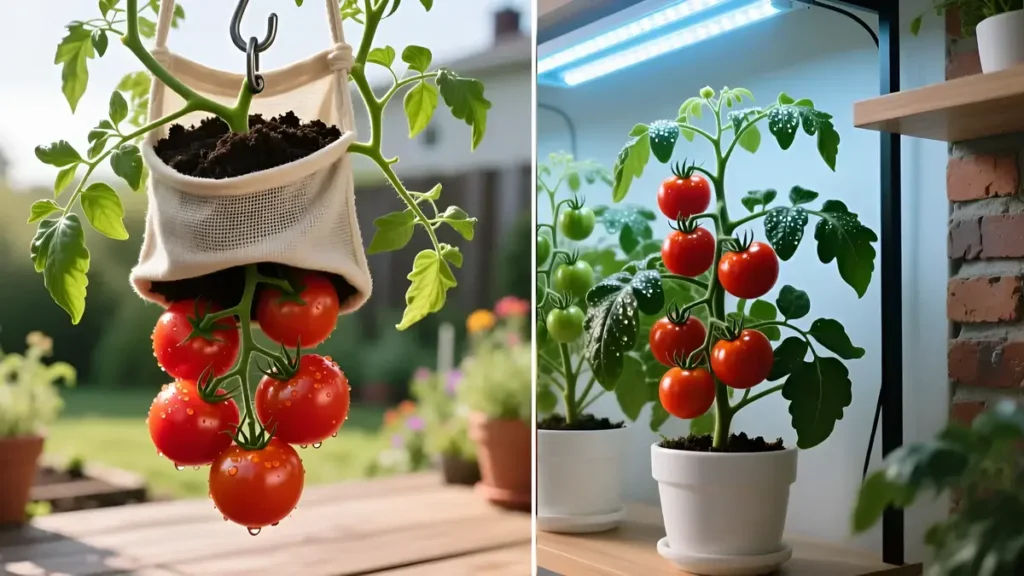
Some fruits, especially melons and larger squash, can become surprisingly heavy. Without support, vines can snap under the weight. Simple slings made from fabric scraps, old T-shirts, or mesh bags provide extra stability. Place the fruit in the sling as it develops and secure it to the trellis. This prevents damage, keeps fruits clean, and ensures they receive even sunlight. Supporting heavy produce reduces stress on plants, which improves overall yield and fruit quality.
Use Vertical Spacing Wisely
Planting too close together can restrict airflow and sunlight. Vertical gardens need space between vines for leaves to spread and for fruits to hang freely. Prune lower leaves if necessary to increase circulation. Consider staggering trellises or using multi-tiered supports to maximize light exposure. Proper spacing minimizes disease and pest problems while giving each plant the room it needs to thrive. Smart planning ensures a strong, productive vertical vegetable garden.
Maintain Soil And Watering
Even vertical gardens need healthy soil and consistent watering. Use deep, well-draining containers or raised beds for strong root development. Mulch around the base to retain moisture and reduce evaporation. Vertical gardens can dry faster than ground-level plots, so check soil regularly and water thoroughly. Fertilize with balanced nutrients to support climbing growth. Healthy roots lead to healthy vines, ensuring your cucumbers, squash, and melons grow vigorous and produce flavorful fruits.
Harvest With Ease
One of the best advantages of vertical growing is easy harvesting. Fruits hang within reach, eliminating the need to bend or dig through dense foliage. Monitor for ripeness regularly, especially for cucumbers and melons, to encourage continuous production. Removing ripe fruits promptly also reduces stress on vines and prevents overcrowding. Efficient harvesting keeps plants healthy and encourages additional flowering and fruiting throughout the season.
Prevent Pests And Diseases
Vertical gardening naturally reduces many common pests and diseases. Fruit stays off the ground, reducing rot and insect damage. However, vigilance is still important. Inspect leaves and vines for aphids, beetles, or powdery mildew. Use organic sprays or neem oil if necessary, and remove affected leaves promptly. Good airflow from vertical growth also lowers humidity around plants, making it harder for fungal diseases to take hold. Healthy plants mean a healthier, more productive garden.
Experiment And Enjoy The Process
Vertical vegetable gardening encourages creativity. Try different trellis designs, hanging baskets, or tiered supports. Mix crops for color, texture, and companion planting benefits. Watch how vines climb, fruits develop, and your garden transforms vertically. Experimentation allows you to learn what works best for your space, climate, and vegetable varieties. Most importantly, enjoy the process—it’s rewarding to see your plants flourish upward and your garden flourish overall.
Conclusion
Vertical vegetable growing in 2026 is a practical and visually appealing solution for gardeners with limited space. By choosing climbing-friendly crops, using strong trellises, training vines early, and supporting heavy fruits, you can maximize yields while keeping your garden organized and healthy. With proper soil, watering, and pest management, vertical gardening turns small spaces into productive vegetable havens. It’s efficient, fun, and perfect for anyone who loves fresh, homegrown squash, cucumbers, and melons.